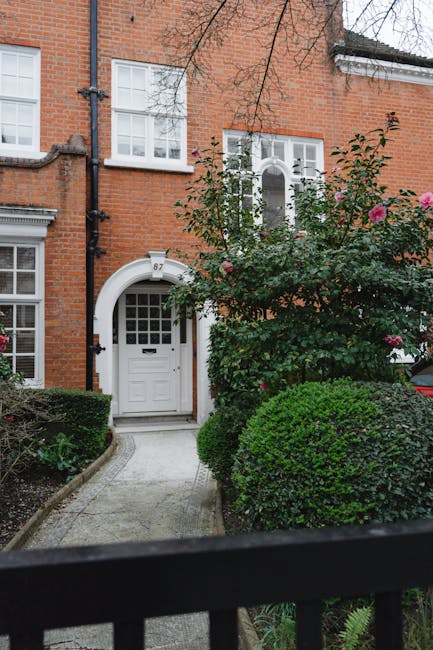
Removals for Finchley garden flats with difficult access
If you are planning Removals for Finchley garden flats with difficult access, you probably already know the problem is not just moving things from A to B. The tricky part is the access: tight side paths, rear garden gates, basement steps, shared entrances, awkward corners, fragile paving, and the classic "looks fine until the sofa turns sideways" moment. Truth be told, that is where a well-planned move saves time, stress, and a few bruises too.
This guide walks you through how difficult-access garden flat removals usually work in Finchley, what to check before moving day, how to reduce risk, and where a proper specialist approach makes all the difference. You will also find a practical checklist, a comparison of methods, and answers to the questions people ask most when the property is a bit awkward and the clock is ticking.
One quick note: if you are still comparing removal options more broadly, the main removal services page is useful for understanding the wider support available, while flat removals is especially relevant if your move is part of a small apartment or converted-house setup.
Table of Contents
- Why Removals for Finchley garden flats with difficult access Matters
- How Removals for Finchley garden flats with difficult access Works
- Key Benefits and Practical Advantages
- Who This Is For and When It Makes Sense
- Step-by-Step Guidance
- Expert Tips for Better Results
- Common Mistakes to Avoid
- Tools, Resources and Recommendations
- Law, Compliance, Standards, or Best Practice
- Options, Methods, or Comparison Table
- Case Study or Real-World Example
- Practical Checklist
- Conclusion
- Frequently Asked Questions
Why Removals for Finchley garden flats with difficult access Matters
Garden flats sound simple on paper. In reality, they can be some of the trickiest properties to move in and out of. You may have to deal with a lower-ground layout, a rear entrance through the garden, narrow alleyways, shared access with neighbours, or steps that force every item to be carried at an awkward angle. If you have ever watched a wardrobe pivot halfway through a doorway and felt your stomach drop, you will know exactly what we mean.
The problem is not just convenience. Difficult access affects safety, timing, cost, and the condition of your belongings. A move that feels manageable from the pavement can become much harder once you factor in rain-slick paths, uneven paving slabs, low fences, or a small internal turning circle. In Finchley, where housing styles vary from period conversions to compact modern flats, this sort of challenge is more common than people expect.
It matters because the best removals plan is one that matches the property, not one that hopes for the best. And let's face it, hope is not a moving strategy.
A well-run move in a garden flat usually depends on three things: accurate access information, the right vehicle or equipment, and a team that knows how to keep pace without rushing. If any one of those is off, delays start creeping in. A small access issue can ripple through the whole day.
How Removals for Finchley garden flats with difficult access Works
For difficult-access removals, the process starts well before the van arrives. The mover needs a realistic picture of the property, including the route in and out, the size of the heaviest items, the available parking, and whether the load will need to be carried a long distance from the vehicle. Good planning is the difference between a tidy move and a slightly chaotic one.
In practice, most moves follow a pattern like this:
- Access review: The mover asks about steps, gates, hallways, parking, and anything that could affect carrying or loading.
- Item list: Large, fragile, or heavy items are identified early, especially wardrobes, beds, white goods, glass tables, and anything awkwardly shaped.
- Route planning: The safest and shortest walking route from flat to vehicle is agreed in advance.
- Equipment selection: The right moving tools are chosen, such as blankets, straps, dollies, sack trucks, or protective covers.
- Parking and timing: The vehicle position is planned so loading can happen efficiently, without blocking neighbours or causing unnecessary lifting.
- Loading and protection: Items are wrapped, carried carefully, and loaded in a sequence that prevents damage and wasted movement.
The more detailed the pre-move conversation, the smoother the day tends to feel. One thing people often miss is that "difficult access" is not a label to worry about. It is simply information. Once the mover knows it, the job becomes a logistics problem, not a surprise.
If your move includes packing help, it can be worth looking at packing and unpacking services or the more basic packing and boxes options so the whole loading process is more organised. Boxes that are neatly sealed and labelled make a big difference when access is awkward and the lift, if there even is one, is not exactly roomy.
Key Benefits and Practical Advantages
The main benefit of using a service that understands difficult-access garden flats is simple: less risk. But there are several other practical advantages that are easy to overlook until moving day arrives.
- Fewer delays: A move planned around access issues runs more smoothly and avoids last-minute scrambles.
- Lower damage risk: Careful handling through tight spaces reduces knocks, scrapes, and crushed corners.
- Less personal strain: You do not end up hauling heavy furniture down a narrow route yourself.
- Better control of timing: When access is known in advance, the schedule can be set more realistically.
- More confidence on the day: Everyone knows the plan, which lowers stress and keeps things calm.
There is also a financial angle, although it is best approached carefully. A move that is properly scoped up front is less likely to trigger avoidable call-out confusion, extra handling, or repeated trips because a piece would not fit through the route first time. You may still need a larger team or extra time, but at least you are paying for the right job rather than fixing the wrong one.
For people moving from a flat with mixed access and a tight timeframe, sometimes the smartest choice is a more flexible vehicle setup. A page like man and van can be useful if the move is smaller or split into manageable loads, while removal van is a practical reference point for understanding vehicle size and loading expectations.
Who This Is For and When It Makes Sense
This type of move is a fit for anyone whose property makes straightforward loading difficult. That includes lower-ground garden flats, maisonettes with rear access, converted houses with shared passages, and small apartments where furniture has to be carried a long way around the back. If the access route makes you sigh before you have even packed a box, this section is for you.
It also makes sense when you have one or more of the following:
- Large items that cannot be safely turned in a narrow hallway
- Fragile finishes in the flat, such as painted walls or old bannisters
- Uneven paving or steps in the garden route
- Restricted parking close to the entrance
- Neighbours or shared spaces that need considerate use
- A move date that leaves little margin for trial and error
Sometimes people think difficult access only matters on moving day, but it affects the whole process. If you are selling or renting out a Finchley garden flat, for example, it can help to know whether the access route is clear enough for standard removal vehicles. That sort of practical reality often shapes how furniture should be packed, what can stay in storage temporarily, and whether part-load transport is the safer option.
If your move overlaps with a housing chain or a short gap between tenancies, a backup plan matters. In those situations, storage can be a surprisingly sensible bridge, especially when access constraints mean you cannot clear everything in one clean sweep.
Step-by-Step Guidance
Here is a sensible way to approach Removals for Finchley garden flats with difficult access without turning the day into a puzzle box. The steps below are deliberately practical, because in real life you do not need theory, you need a plan that works.
1. Walk the route before you commit
Start at the front entrance or parking point and walk the full route to the flat. Look at gate widths, steps, slopes, low branches, loose paving, and tight corners. If possible, measure the largest item you need to move and compare it to the narrowest point on the route. A tape measure and a phone camera are both useful here.
2. List the items that will cause the most trouble
Not everything is a problem. Usually, it is one or two awkward items that drive the whole plan. Think mattresses, desks, mirrors, fridge-freezers, wardrobes, and heavy chest furniture. If those are sorted, the rest feels much easier.
3. Decide whether anything should be dismantled
Some furniture is better dismantled before the move. Beds, certain wardrobes, and modular shelving often travel more safely in parts. It saves time, but only if the screws, fittings, and labels are kept together. Otherwise, you create a little treasure hunt for yourself later.
4. Protect the route and the property
Garden flats often have delicate routes: narrow doors, shared hallways, clean walls, or old steps. Put protection in place where needed. That might mean floor coverings, edge guards, or blankets around particularly tight corners. If rain is in the forecast, prepare for slippery surfaces too. A wet January morning in Finchley can turn a simple carry into a careful shuffle.
5. Plan parking and loading order
Where will the vehicle sit? Which item comes out first? Which items need two people? These questions sound small, but they determine whether the loading stage flows or stalls. Good sequencing helps everyone keep momentum.
6. Keep pathways clear on the day
Boxes in the way create extra steps, and extra steps create extra time. Clear the route the night before if you can. If not, at least make sure there is a central staging area for packed items so nobody is tripping over a lamp in the hallway at 8 a.m.
7. Check the final walk-through
Before the team leaves, do a quick check of cupboards, meters, keys, and forgotten corners. It is amazing how often a charger, cleaning item, or small bag gets left behind in the bustle. Happens to everyone, really.
Expert Tips for Better Results
After enough difficult-access jobs, a few patterns become obvious. The move is rarely ruined by one big disaster. It is usually the small things: a route not measured, a box that was overpacked, a car left too far away, or a rug that should have been rolled up before the team arrived. Tiny details. Annoying, but fixable.
Here are the habits that make a real difference:
- Give honest access details: Do not downplay narrow gates, steep steps, or long carries. Everyone saves time when the truth is on the table.
- Label by room and priority: Not every box needs a poem on it. Just clear labels. Bedroom, kitchen, fragile, last out.
- Keep essential items separate: Documents, keys, chargers, medication, and basic toiletries should travel with you.
- Use proper wrapping for awkward items: A bit of care with corners and glass saves a lot of regret later.
- Book early if parking is tricky: If your street is busy, earlier timing can reduce stress.
- Allow a buffer: Access jobs nearly always take a touch longer than standard ground-floor moves. That is normal.
Practical takeaway: The best difficult-access move is not the one that looks impressive. It is the one that feels calm, controlled, and uneventful. That is the goal.
A small but useful point: speak up if something changes. Maybe the neighbour has parked in the usual loading spot, maybe the rear gate sticks, maybe the sofa is bigger than you remembered. Tell the mover early. A five-minute adjustment at the start can prevent a twenty-minute headache later.
Common Mistakes to Avoid
People do not usually make one dramatic mistake. They make a few small assumptions and, together, those assumptions create chaos. Common ones include:
- Assuming access is "fine" because it worked for delivery drivers: Deliveries and full removals are not the same thing.
- Forgetting about turning space: A doorway may be wide enough, but the angle may still make the item impossible to bring through.
- Leaving packing too late: Time pressure makes everything clumsier.
- Ignoring parking restrictions or neighbour impact: A blocked route can slow the whole move down.
- Overstuffing boxes: Heavy boxes are harder to carry through stairs and gates.
- Not checking weather exposure: Damp paths, mud, and drizzle all matter more than people expect.
One more thing: do not wait until the mover is standing outside to mention the rear entrance is via a long narrow path with three steps and a bad lamp. That is the sort of surprise nobody enjoys, and it can be avoided with one honest conversation.
Tools, Resources and Recommendations
For difficult-access garden flat removals, the right tools are not flashy, but they are absolutely useful. A sensible move often relies on a combination of physical protection, organisation, and a vehicle setup that fits the job.
Useful equipment and preparations may include:
- Furniture blankets and wraps for protecting polished surfaces and corners
- Straps and securing materials to stabilise loads in transit
- Dollies or sack trucks where surfaces and steps allow
- Mattress covers to keep bedding clean and dry
- Box labels and markers for quicker unloading
- Floor and stair protection where the route is delicate
It also helps to think about support services in a joined-up way. For example, if you have bulky furniture to clear before a move, furniture removals or a simple furniture pick up may help reduce what needs to go through the garden route. And if you are moving a household rather than a single room, home moves gives a broader sense of what a full-service option can cover.
If you want clarity before booking, it is sensible to review pricing and quotes so you understand how access, distance, load size, and timing may affect the estimate. That way, there are fewer awkward conversations later. Which is nice.
Law, Compliance, Standards, or Best Practice
For moving services, the most important point is not legal complexity but sound practice. Access-heavy removals should be handled in a way that protects people, property, and neighbouring spaces. In the UK, that generally means careful manual handling, sensible vehicle positioning, clear communication, and awareness of site-specific risks.
Some practical best practices worth keeping in mind:
- Manual handling: Heavy or awkward items should be carried in a way that reduces strain and prevents injuries.
- Health and safety: Routes should be checked for trip hazards, slippery areas, and pinch points.
- Insurance awareness: It is wise to understand what is covered in case of accidental damage or transit issues.
- Respect for shared access: Garden flats often involve neighbours, communal areas, or shared paths that should be treated carefully.
If you are comparing providers, look for clear information on insurance and safety and read the health and safety policy so you know how risks are managed. For service expectations, the terms and conditions can also be worth a careful read, especially if your access is more complicated than average.
There is no need to become a compliance expert just to move house. Still, a responsible mover should treat awkward access as a normal operational risk and plan around it properly. That is the professional standard, plain and simple.
Options, Methods, or Comparison Table
There is no single best way to handle removals from a garden flat with difficult access. The right method depends on what you are moving, how tight the access is, and how much flexibility you have on the day.
| Method | Best for | Pros | Limitations |
|---|---|---|---|
| Full removal service | Larger household moves, heavy furniture, limited time | Most support, better planning, less physical strain | Usually costs more than a basic van-only option |
| Man and van | Smaller flats, lighter loads, flexible schedules | Handy for awkward access and smaller jobs | May not suit very large moves without extra trips |
| Part-load or staged move | Properties with restricted access or split timing | Reduces pressure on the route and vehicle space | Requires more coordination |
| Storage-first approach | Moves with timing gaps or renovation delays | Creates breathing room and avoids rushed decisions | Extra step in the process |
If your move is relatively small but the access is awkward, a flexible service can be ideal. If it is a full household move with multiple bulky pieces, the fuller support route is usually safer. And if timing is messy, storage can take the edge off the whole situation.
People sometimes ask whether same-day support helps with difficult access. Sometimes it does. Sometimes it does not. A page like same-day removals is worth considering when timing is tight, but only if the access and packing are already under control. Same-day and chaotic are not the same thing, despite what calendar apps may suggest.
Case Study or Real-World Example
Picture a typical Finchley garden flat move. The property sits below street level, with a side path leading to the rear entrance. The path is narrow, there are a couple of shallow steps, and the old paving stones are a bit uneven. Nothing dramatic. Just enough to make a straightforward carry feel fiddly.
In a case like that, the most helpful first step is measuring the widest pieces and identifying the route's narrowest point. A bed frame may need dismantling. A tall wardrobe may need to be moved in two sections or transported upright with extra care, depending on its build. Boxes are stacked near the exit the night before so no one is weaving around clutter on the morning.
On moving day, the van is parked as close as practical without blocking neighbours or creating a safety issue. One person handles the route checks while another manages loading. The first load is the bulkier furniture, then the boxes, then the essentials. A blanket is placed where the side gate rubs slightly. It is not glamorous work. But it is the sort of attention that keeps the job under control.
The real difference in these jobs is usually calm coordination. The move does not have to be fast to be successful. It has to be steady. Steady wins, every time.
Practical Checklist
Use this checklist before your move if your Finchley garden flat has awkward access:
- Measure the narrowest door, gate, stair, and turning point
- Identify the bulkiest items early
- Confirm whether any furniture should be dismantled
- Check parking options near the property
- Clear hallways, paths, and the exit route
- Protect floors, walls, and tight corners
- Label boxes by room and priority
- Set aside essentials you will carry yourself
- Tell the mover about steps, slopes, and shared access
- Review safety and insurance details before booking
- Plan for bad weather if the route goes through a garden
- Keep keys, documents, and valuables with you
Quick summary: if the route feels awkward to you when it is empty, it will feel even more awkward once furniture is involved. Prepare for that reality and your move will be much easier.
Conclusion
Removals for Finchley garden flats with difficult access are really about good judgement. Measure first, plan carefully, and choose a service that understands tight routes, awkward angles, and the practical realities of moving in a built-up part of London. The best result is not dramatic; it is smooth, safe, and quietly efficient.
If you take only one thing from this guide, make it this: difficult access is manageable when the move is planned around it, not against it. That simple shift can save time, protect your belongings, and make the whole day feel a lot less fraught. And honestly, that is worth a great deal.
Get a free quote today and see how much you can save.
Frequently Asked Questions
What counts as difficult access for a garden flat move?
Difficult access usually means any route that makes carrying furniture slower, riskier, or more physically demanding than a normal ground-floor move. That might include narrow gates, basement steps, long garden paths, tight turns, shared entrances, or limited parking near the property.
Do I need a specialist mover for a Finchley garden flat?
Not always, but it helps if the mover is used to awkward routes and has the right equipment. If your biggest items are bulky or the path is tight, choosing a team that understands access issues is often the safer choice.
Should I dismantle furniture before the move?
Often, yes. Bed frames, some wardrobes, and shelving units may be easier and safer to move in parts. The key is to keep fittings and labels together so reassembly does not become a mystery project later.
How can I prepare a garden route for removals?
Clear loose items, trim anything overhanging the path if needed, check for slippery surfaces, and protect delicate flooring or steps. If the route passes through a shared area, give neighbours a heads-up if appropriate.
Will difficult access make the move more expensive?
It can, because it may take longer or require extra handling. That said, clear information up front usually leads to a more accurate quote and fewer unpleasant surprises. Hidden difficulty is what tends to cause trouble.
What should I tell the removal company before booking?
Give as much detail as possible about steps, gates, parking, path width, floor level, and any large items. A few honest details can make a big difference to planning and pricing.
Can a man and van service handle tricky access?
Yes, especially for smaller loads or shorter moves. For larger households or very awkward access, you may need a fuller removal service or a staged plan so the route is not overloaded.
What happens if it rains on moving day?
Rain is common enough in London, so good teams plan for it. Covers, floor protection, and careful pacing help keep things safe. Wet paving and narrow garden routes do need more attention, though.
How far in advance should I book?
The earlier the better if your access is difficult, especially if you need a specific time window or limited parking space. Leaving it too late can reduce your options and make coordination harder.
Can storage help with a difficult-access move?
Yes. If the timing is awkward, or if you want to move in stages, storage can reduce pressure and make the main moving day much more manageable.
What is the biggest mistake people make with garden flat removals?
Assuming the move will be straightforward because the flat itself is small. The flat may be compact, but the route can still be the real challenge. Access is everything in these jobs.
How do I know if my items will fit through the access route?
Measure the widest items and compare them with the narrowest points on the route, including turns and steps. If something looks borderline, ask the mover to assess it before moving day rather than guessing.